
UX/ UI Design
Thinking Design. Agile, Collaborative and Adaptive.
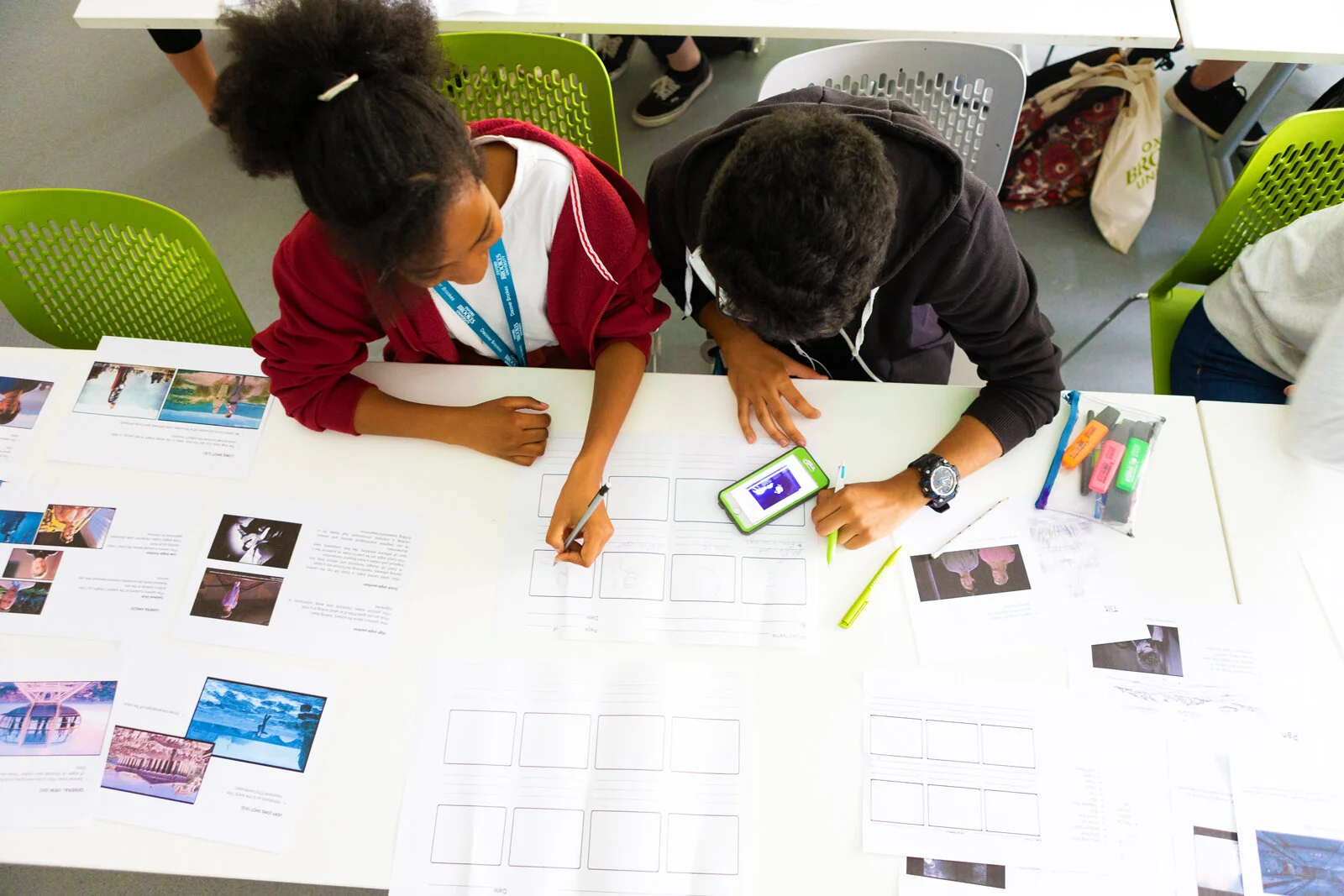
Creating products that provide meaningful, relevant and better experiences for end users with a customer-centric approach to problem solving. Ultimately this provides, growth and positive outcomes for all involved. From initial discussion to wireframing, high-fidelity mockups through to delivery I am always adaptable, with the capability to easily slot into a collaborative team environment.

Case Studies
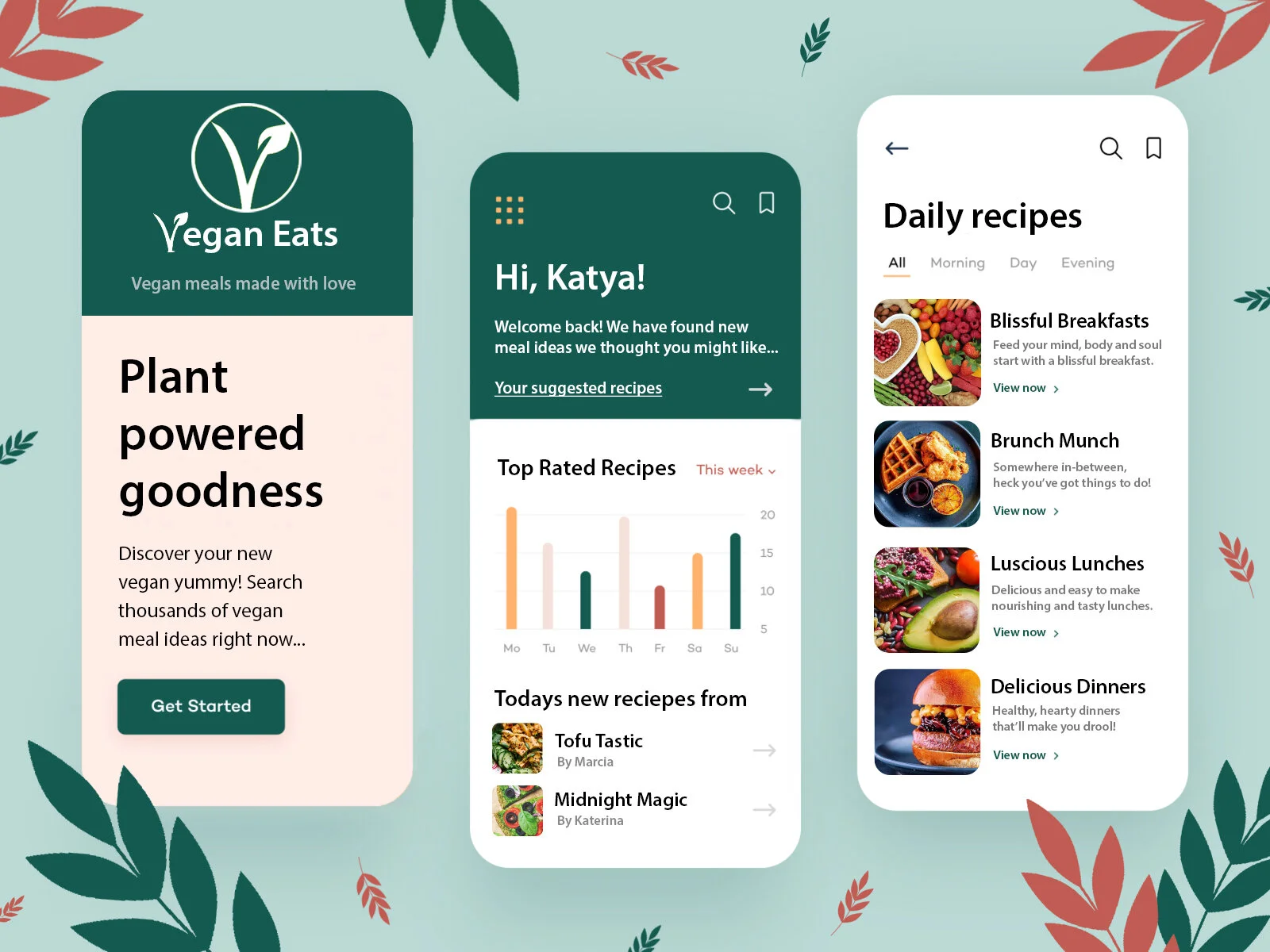
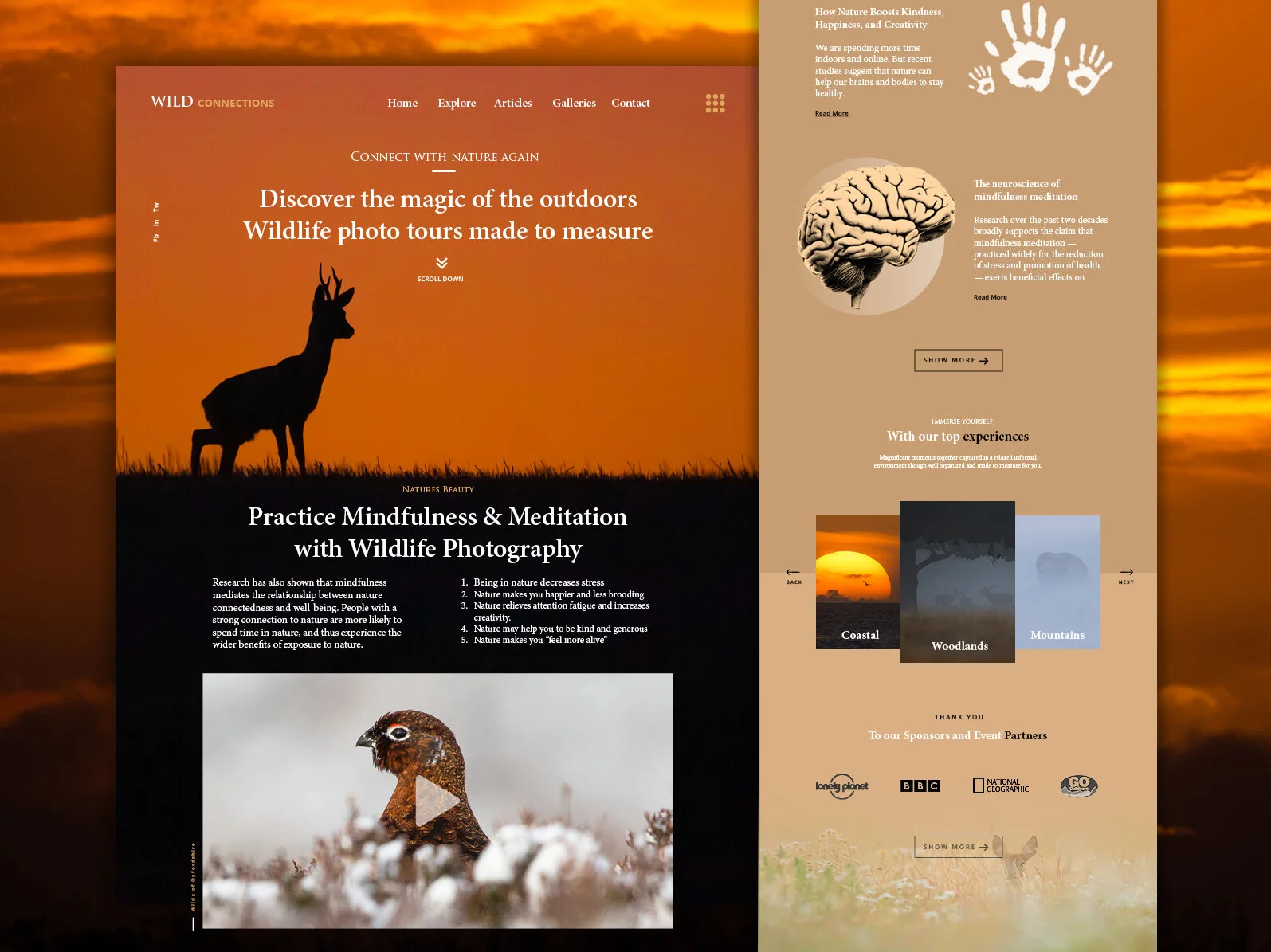
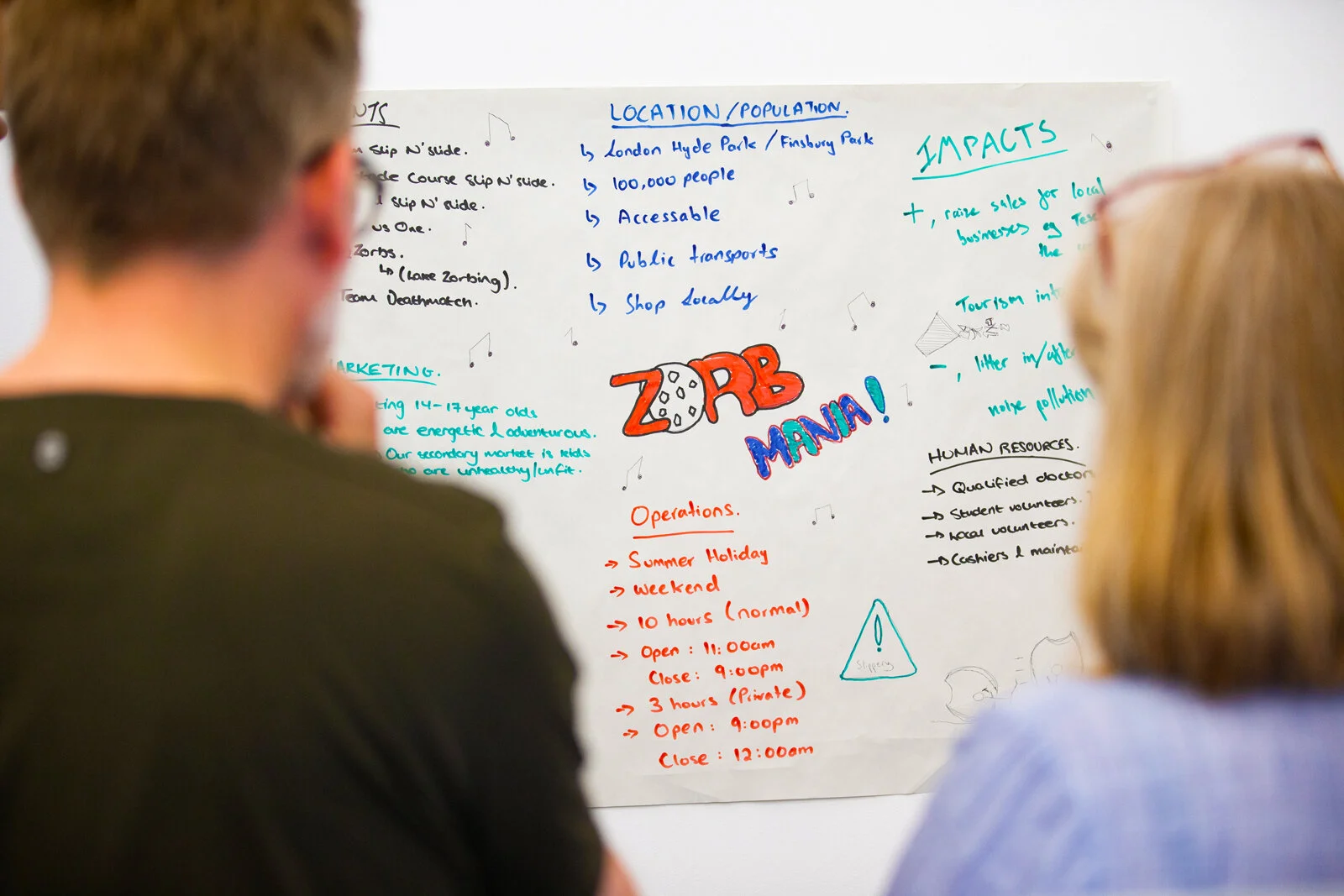
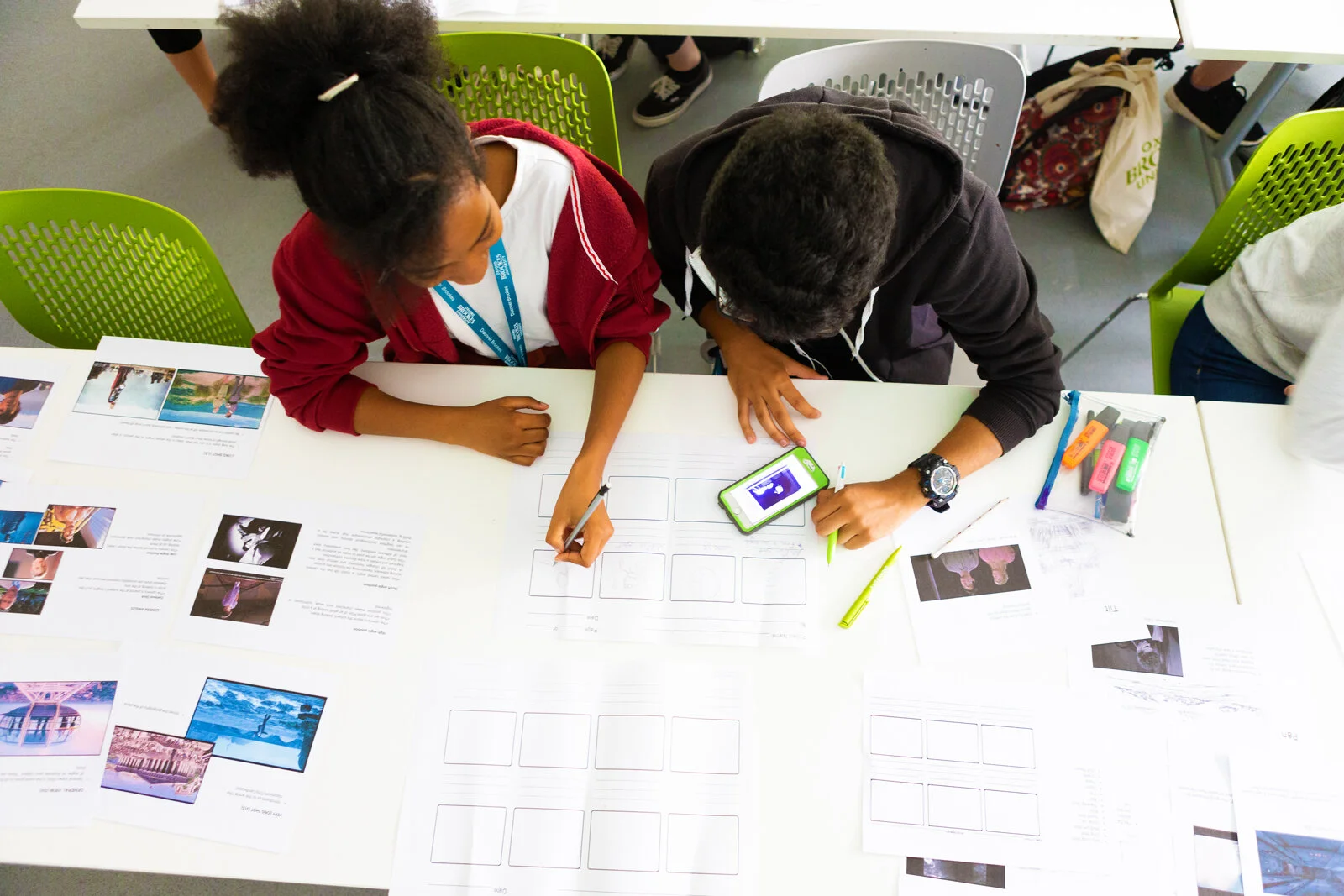
Although most design projects produced make good use of the UX methodology. Below you will find examples of projects that have been run and completed within the UX/UI research, testing and design methodology. Using a lean agile philosophy requires less of the traditional route of large up-front design, but with smaller focused iterations, providing us the ability to test, adapt, learn and develop quickly while working within a changing market. The strength in working collaboratively to achieve business goals or outcomes, helps us to create an incredibly rich, fulfilling and up-to-date end user experience.
Abacus
A highly successful but ageing product that needed to be refreshed, evolved and brought into the future.
Pearson Education is the worlds largest educational publisher, providing educational resources and operating in over 70 countries around the globe.
I (Justin Hoffmann) worked as a permanent member of staff as the Senior Designer for Mathematics, UK Primary Schools. I was required to manage multiple projects, planning, compiling costs and managing project budgets, keeping up to date with market trends, field research, art direction, design and brand management. I was also responsible for sourcing, hiring, briefing and managing freelancers in-house and out. I was required to collaborate, guide and be in constant liasons with typesetters and artist agencies to complete particular project tasks.
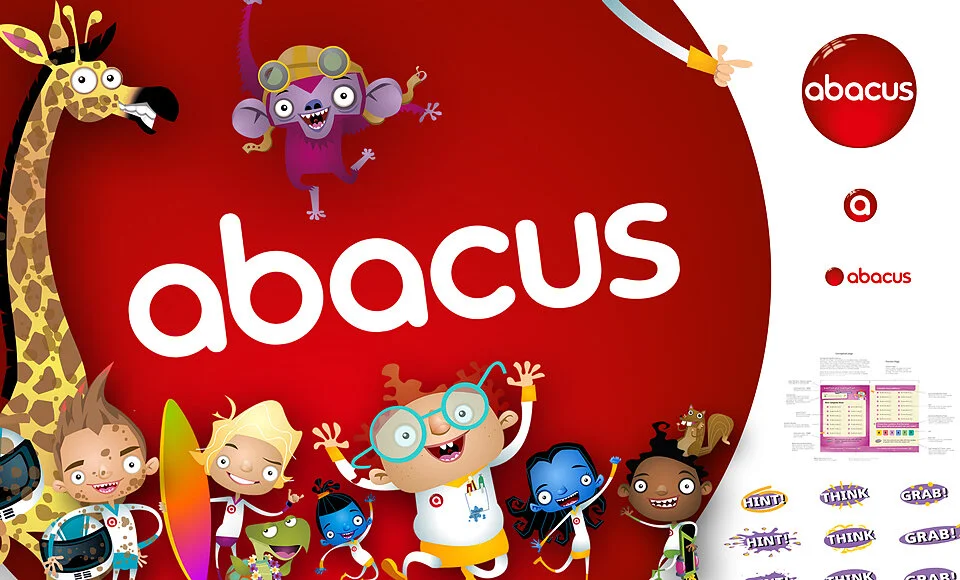
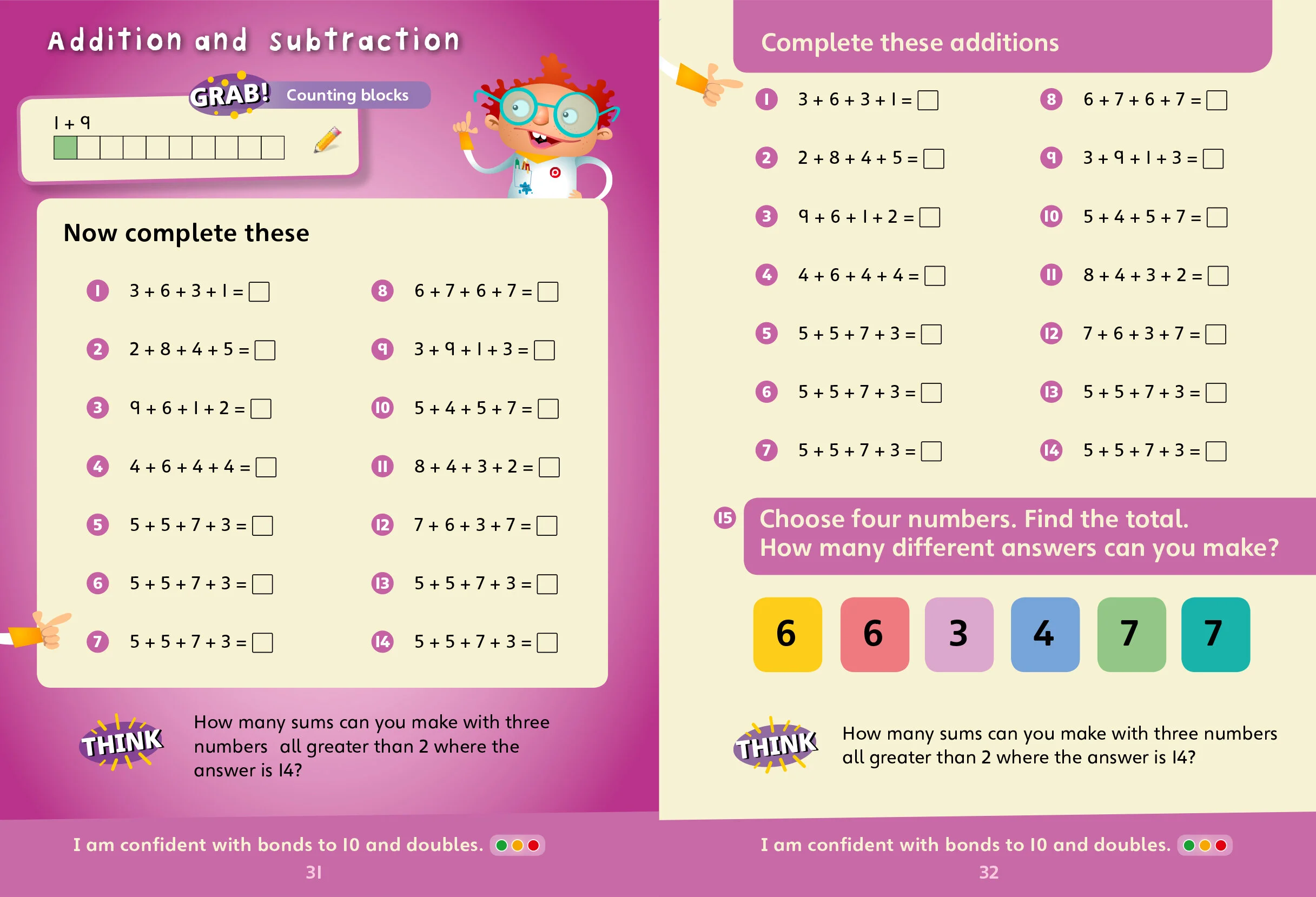
Abacus Evolve was a very successful brand under the Pearson banner but it was ageing and needed an update to keep it current and attractive to customers/ users. New illustration/ artwork styles, layout and content, wrapped in an attractive, fresh, new look and feel that didn’t step too far away from the existing established brand. Similar, but modern, providing end users with richer, more engaging educational experience and to begin the gradual shift towards a more digital ecosystem.
We worked as team in an agile UX process to develop the new look and feel for Abacus Evolve. We researched the market and tested initial designs and concepts in primary schools around the country. Testing and learning what it was that children found interesting, easier to read and comprehend (fonts matter), their navigation usage and colours used (colour blindness considerations). We created various characters/ mascots for us to test and see what characters appealed to the children and teachers. We used them to become ‘friends’ or ‘guides’ who support and become imaginative companions to the children in their journey through mathematics education. These characters were developed to appeal to specific age groups. We took this data and processed it, then produced and tested further iterations and so forth. We quickly identified the MVP (minimal viable product), we collaborated and refined many details as a team along the way, producing a polished, evolving successful product.
This collaborative project spanned across many different skill sets and departments. Including: Publishers, editorial staff, external mathematics experts, digital designers, software developers, marketing executives and project managers. Because of the collaborative approach we were able to form a strong focused team. Together we could hone in and produce a highly successful up-to-date and purposeful product. The outcome - end users (teachers and students) could experience a rich and fulfilled educational experience with a smart deeply thought out and tested product that they had an integral role in developing. We provided a captive, interesting, organised and easy to understand library of learning resources, supported by relative and up-to-date and highly engaging interactive software. The business saw a growth in sales, the re-establishment and re-securing of a healthy chunk of the UK primary mathematics educational market.
Wordsmith
A new, engaging primary english learning resource from Pearson Education delivered on an online learning platform for UK and international markets.
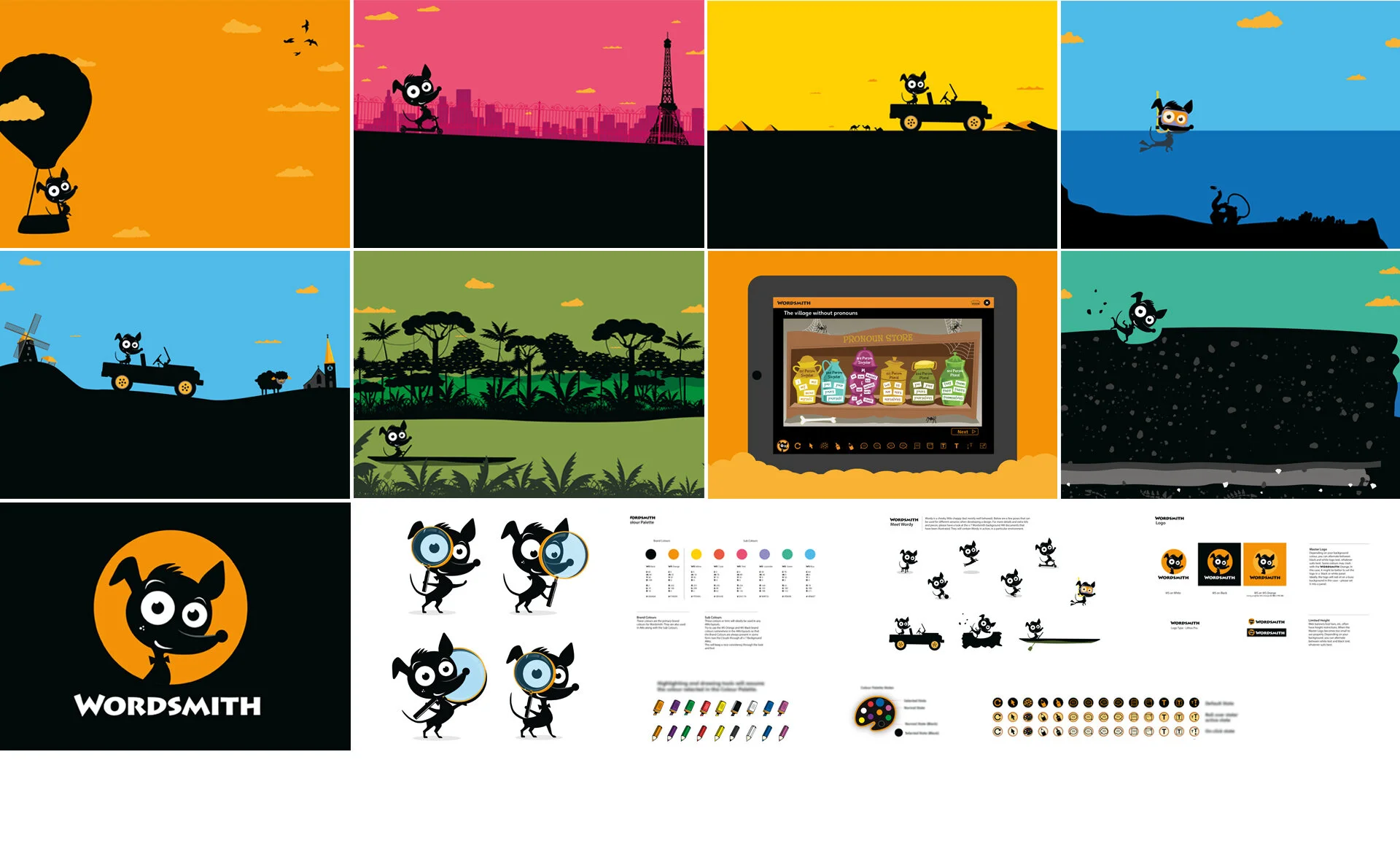
In a fast changing environment where traditional printed materials were no longer enough on their own, where online offerings were becoming the norm highlighted the need for a new, engaging primary english learning product that would be delivered online to establish a solid foothold in the emerging online educational market.
Once again as a strong collaborative team we worked in an agile UX process to develop the initial branding and concepts. We researched the market and tested our initial designs and concepts in primary schools around the country. We looked at user interfaces, navigation observations, fonts, and colours, screen colour contrast and colour blindness considerations. We also tested character/ mascot concepts that we’d drafted up. We processed the data then went into further iterations. We collaborated and refined continuously until we came to a MVP. The product was launched and we developed further as the user data feedback streamed back, enabling us to produce a more polished product with much less waste (time, effort and money) than we would’ve if working in the traditional industry method ‘All design up-front’.
This collaborative project produced an environment of shared understanding that spanned across many different skill sets and departments. An anti-pattern environment existed where highly skilled people pulled their expertise together to create an excellent team and fantastic outcome. The end users (teachers and students) could experience a brand new, lively and interactive educational experience with well tested ever evolving materials that is relative and up-to-date.
Heinemann Active Maths
A fresh, brand new and exciting primary mathematics program developed and targeted for the Scottish primary school educational market, later, to be adapted and developed for Northern Ireland primary education market.
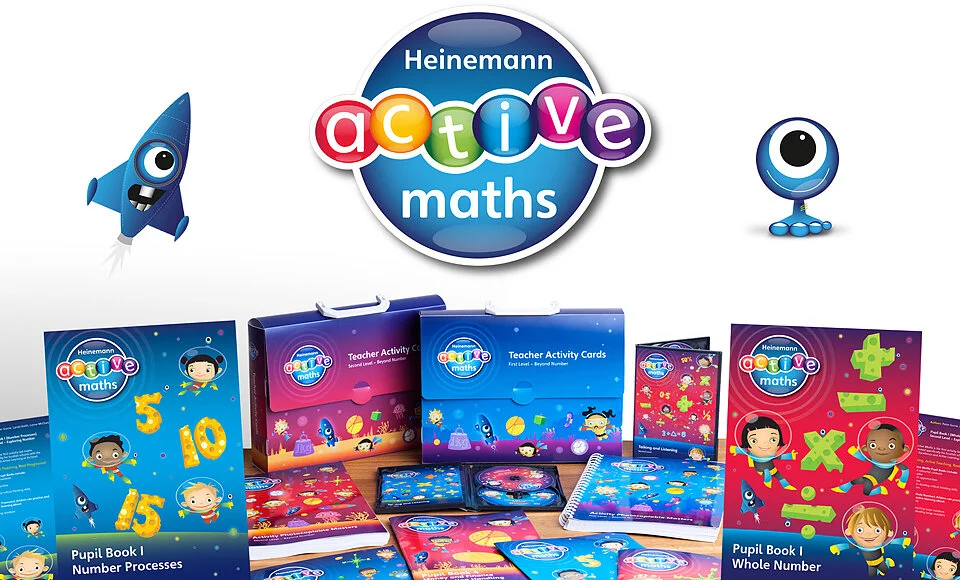
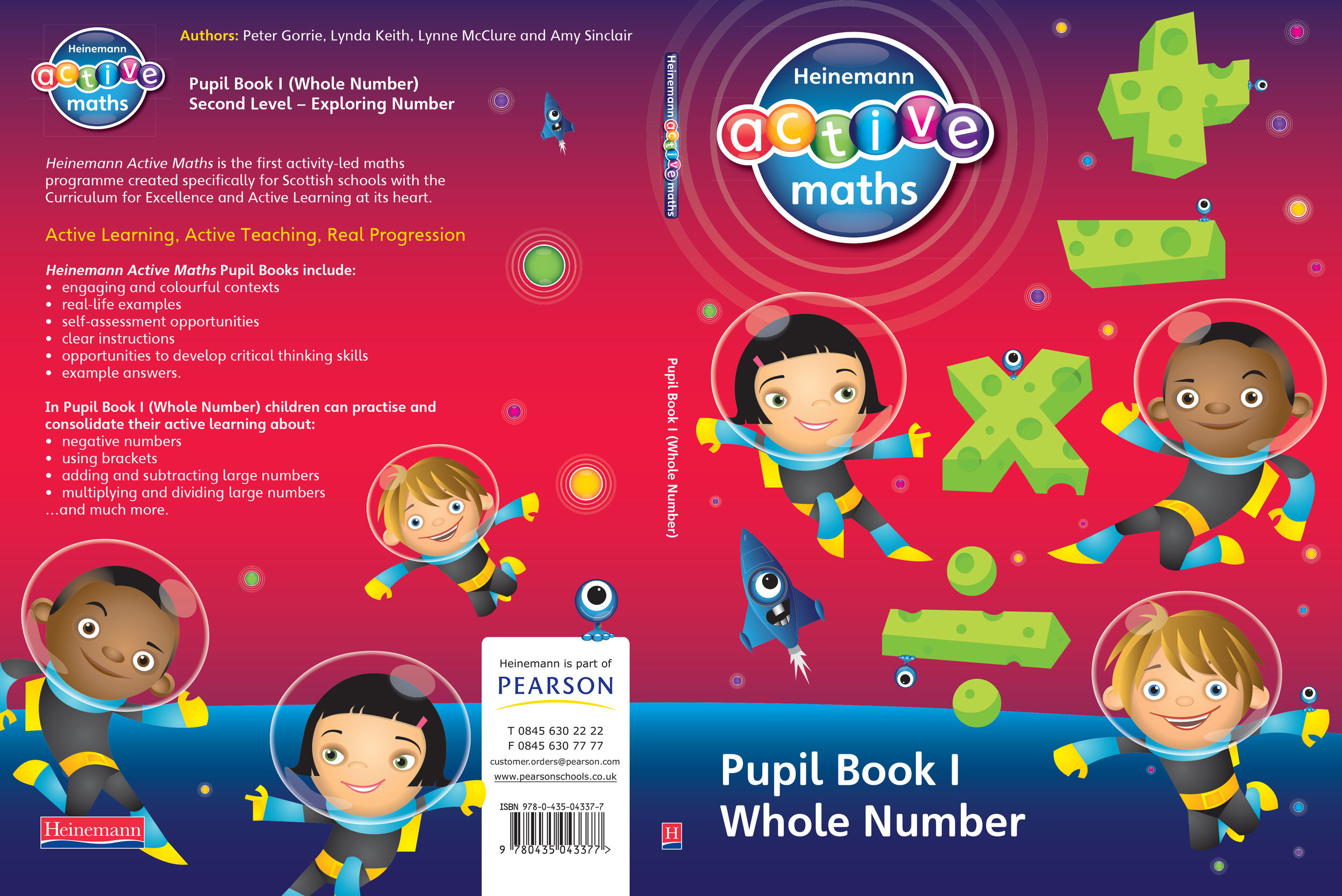
Almost a complete Greenfield project with very few limitations, we used the agile UX process to help develop Heinemann Active Maths. We started the project collaboratively from the very beginning of deciding what to call it, to the final outcome. We researched the market and then followed up by iterations of brainstorming ideas and design concepts. Using Professor Steve Blanks acronym GOOB ‘Getting Outside Of the Building’, we then tested initial designs and concepts in schools, we listened and analysed the market feedback to further develop and better realise and refine the product which we were developing.
The result: The end users (teachers and students) could then experience and make use of an efficient library of rich resources with a more wholesome, fulfilled educational experience. We produced a set of resources that had been well tested, well developed, well thought out and attractively designed. The feedback and outcome from this project was a huge success with record sales. Teachers singing praises and students very excited to be learning with their brand new attractive and engaging mathematics educational materials.